Spicy Pizza: A Handwritten Font for Editorial Elegance
As I embarked on the redesign of my lifestyle blog, one of the first decisions I needed to make was choosing the perfect font for the header. This is a critical step, as it sets the tone and personality of the entire publication. After much consideration, I decided to test Spicy Pizza, a premium handwritten font that promises both class and contemporary flair.
Visual Character and Editorial Appeal
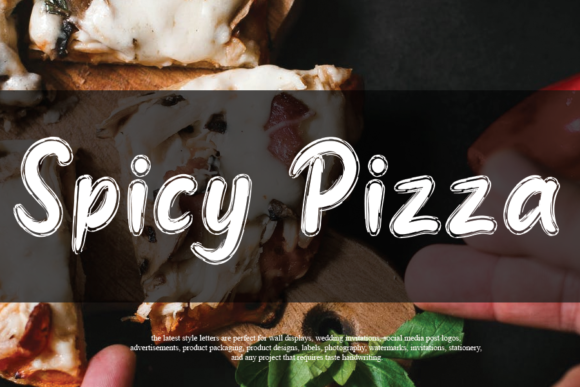
Spicy Pizza is a masterfully designed script font that exudes elegance with a modern twist. Its calligraphic influences are evident, yet it feels fresh and vibrant. The fluid, flowing lines and subtle variations in stroke width give it a dynamic, almost organic feel. This makes it an ideal choice for adding a touch of sophistication to any editorial design.
Testing Spicy Pizza in Real Layouts
For my blog, I used Spicy Pizza for the main header, and it immediately transformed the look and feel of the site. The font's rhythmic flow and expressive curves drew the reader's eye, making the header stand out without overwhelming the rest of the content. In a digital magazine layout, Spicy Pizza also shone as a cover title, giving the publication a unique and memorable identity.
Supporting Visual Hierarchy and Reader Engagement
One of the key strengths of Spicy Pizza is its ability to support visual hierarchy. When used for article titles, chapter openers, and pull quotes, it effectively grabs attention and guides the reader through the content. For example, in a recipe ebook, Spicy Pizza made the section headings and recipe names pop, enhancing the overall reading experience.
However, it's important to note that Spicy Pizza is not suitable for body copy or dense paragraphs. Its expressive and intricate design can be too distracting for long-form reading. Instead, it works best for titles, subtitles, and decorative accents. Pairing Spicy Pizza with a clean sans serif font for body text and captions creates a balanced and readable layout.
Practical Considerations and Font Pairing
Before using Spicy Pizza in your projects, it's essential to check the included styles, alternates, and ligatures. This font offers a range of options to customize and fine-tune your designs. Additionally, ensure that the font supports the languages you need, and review the commercial licensing terms if you plan to use it in ebooks, templates, or client publications.
In my coaching workbook, I paired Spicy Pizza with a readable serif font for the body text. This combination provided a professional and inviting look, while maintaining readability. For a printable planner, Spicy Pizza added a personal and creative touch to the headers and section titles, making the pages more engaging and visually appealing.
Conclusion: A Versatile and Elegant Choice
Spicy Pizza is a versatile and elegant handwritten font that can elevate the visual appeal of various editorial and publishing projects. Whether you're designing a blog header, a digital magazine, or a coaching workbook, this font adds a touch of sophistication and modernity. Just remember to use it judiciously, focusing on titles, subtitles, and decorative elements, and pair it with a more readable font for body text. With Spicy Pizza, you can create a publication that stands out and resonates with your audience.