Yellow Star: A Handwritten Font for Editorial Charm
As I sat down to redesign the header of my lifestyle blog, I knew I needed a font that would capture the essence of my brand—something sweet, friendly, and uniquely inviting. Enter Yellow Star, a handwritten font that has quickly become a favorite in my design toolkit.
A Natural and Unique Style
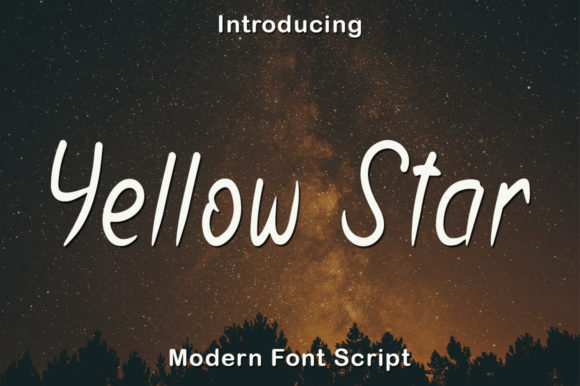
Yellow Star is not just any font; it's a premium script font with a natural, almost organic feel. The rhythm of its strokes and the playful yet elegant curves make it incredibly fitting for a wide range of designs. Whether you're working on a blog header, an ebook title, or a newsletter graphic, Yellow Star adds a touch of whimsy and charm that can set the right tone for your content.
Visual Character and Personality
The visual character of Yellow Star is what truly sets it apart. Its handwritten style is both modern and timeless, making it versatile enough to fit into various editorial contexts. The font's personality is warm and welcoming, perfect for creating a friendly and engaging atmosphere. This makes it ideal for lifestyle blogs, recipe ebooks, and wedding guides, where a personal touch is essential.
Editorial Appeal and Versatility
In my recent project, I used Yellow Star for the cover of a digital magazine. The font's unique style immediately caught the eye, drawing readers in with its lively and expressive nature. For the interior, I paired Yellow Star with a clean sans serif font for body text, ensuring readability while maintaining the publication's identity. This combination worked beautifully, creating a harmonious and visually appealing layout.
Supporting Visual Hierarchy and Readability
When it comes to supporting visual hierarchy, Yellow Star shines. It's particularly effective for titles, subtitles, and pull quotes, where its expressive nature can help guide the reader's attention. However, it's important to note that while Yellow Star is excellent for these elements, it may not be the best choice for body copy or dense paragraphs. For those, a more readable serif or sans serif font would be more appropriate.
Practical Considerations and Font Pairing
Before using Yellow Star in your projects, it's crucial to check the included styles, alternates, and ligatures. This font offers a range of options to customize and enhance your designs. Additionally, ensure that the font supports the languages you need, as multilingual support is vital for reaching a broader audience. When it comes to commercial use, always verify the licensing terms to ensure you have the right permissions for your specific needs, whether for ebooks, templates, or digital downloads.
In terms of font pairing, Yellow Star works well with a variety of typefaces. For a classic and elegant look, pair it with a serif font like Garamond or Baskerville. For a more modern and clean aesthetic, a sans serif font like Helvetica or Arial can complement Yellow Star beautifully. This versatility in pairing allows you to create a cohesive and professional look across different sections of your publication.
Conclusion
Overall, Yellow Star is a fantastic addition to any designer's toolkit. Its natural and unique style, combined with its ability to support visual hierarchy and editorial mood, makes it a valuable asset for bloggers, publishers, and content creators. Whether you're redesigning a blog header, creating a worksheet layout, or building a newsletter graphic, Yellow Star can add that special touch that elevates your content and engages your audience. Just remember to use it judiciously, especially in longer reading formats, and pair it thoughtfully with other fonts to maintain readability and consistency.